Millets are one of the oldest food grains known to mankind, cultivated in India and other parts of the world for thousands of years. These small, hardy grains are often called “nutri-cereals” because of their high nutritional value. Unlike polished rice or refined wheat, millets are packed with dietary fiber, protein, iron, calcium, magnesium, and essential vitamins. They are also gluten-free, making them an excellent choice for people with gluten intolerance or wheat allergies.
There are many varieties of millets, such as pearl millet (bajra), finger millet (ragi), foxtail millet, little millet, barnyard millet, and sorghum (jowar). Each of these has its own unique health benefits. For example, ragi is rich in calcium, which strengthens bones, while bajra is high in iron, which helps prevent anemia.
Apart from their health benefits, millets are also known as climate-smart crops. They require very little water, can grow in poor soil conditions, and withstand harsh climates. Unlike rice and wheat, which need heavy irrigation, millets thrive in semi-arid regions, making them ideal for sustainable farming. At a time when the world is facing water scarcity and climate change, promoting millet cultivation can help farmers as well as the environment.
Regular consumption of millets can improve digestion, control blood sugar levels, aid in weight management, and reduce the risk of lifestyle diseases such as diabetes and heart problems. This is why millets are now being called the “superfood of the future.” In fact, the United Nations declared 2023 as the International Year of Millets, recognizing their importance for global nutrition and food security.
India has always been the home of millets, and today there is a growing movement to bring them back into our daily diet. From traditional foods like ragi mudde, bajra roti, and jowar bhakri to modern recipes like millet cookies, noodles, and breakfast cereals, these grains are finding their place on dining tables once again.
In conclusion, millets are not just healthy for individuals but also beneficial for farmers and the planet. By including millets in our diet and supporting their cultivation, we can take a step towards a healthier lifestyle and a sustainable future.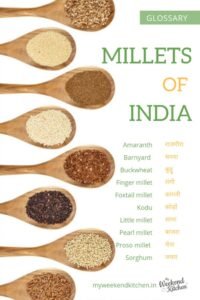
Leave a Reply