Author: admin

  • Indian millets

    Indian millets

    asasa

    Introduction:

    Millets are the excellent source of essential nutrients; they are also called as ‘nutritious cereals’. The Indian Millets are nutritionally superior to wheat and rice as they are rich in protein, vitamins, and minerals. They are also gluten-free and have a low glycemic index, making them ideal for people with celiac disease or diabetes. India is the world’s largest producer of millets with a share of 38.4% of world’s production (FAO, 2023).

    Production:

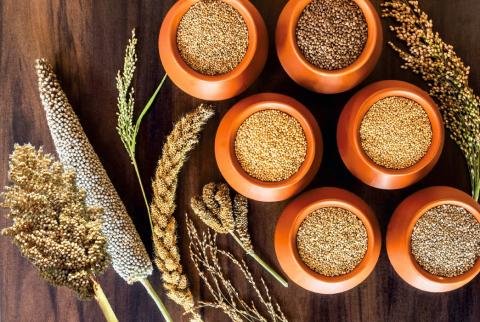
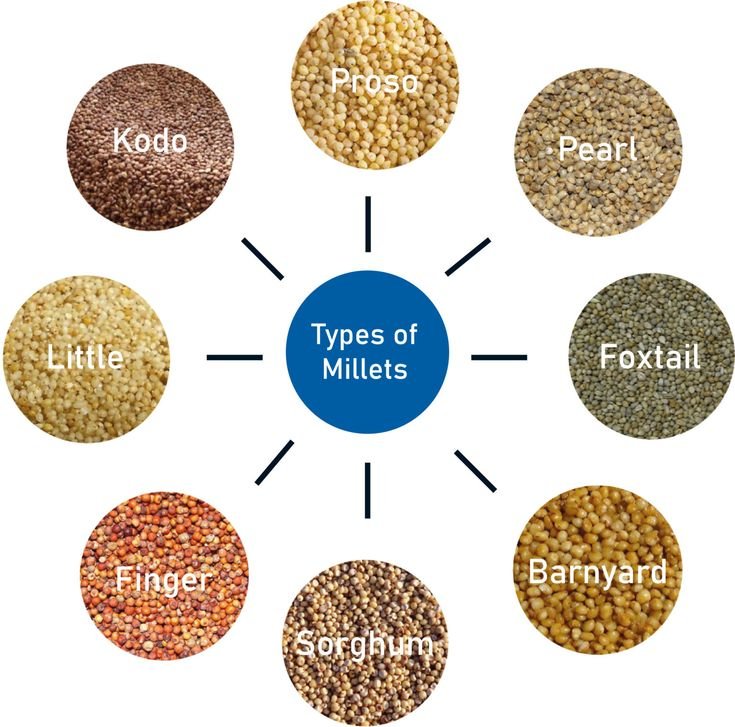
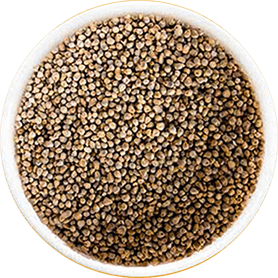
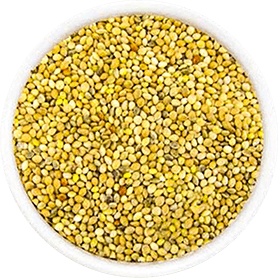
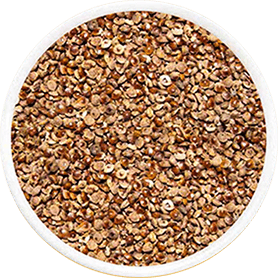
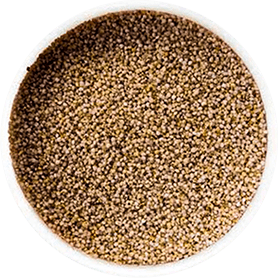
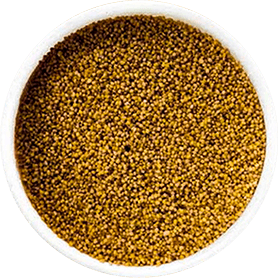
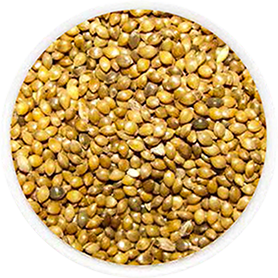
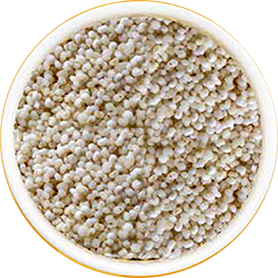
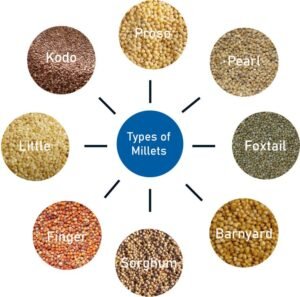
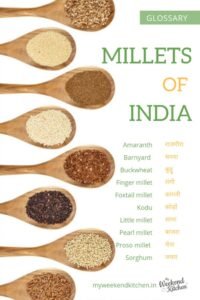
    FY24 Indian millets production includes sorghum (jowar), pearl millet (bajra), finger millet (ragi), barnyard millet, prosomillet, Kodomillet, Buckwheat, Amaranthus and Foxtail millet. Among different states Rajasthan is the largest producer followed by Uttar Pradesh, Karnataka, and Maharashtra.


  • Types of millets

    Types of millets


  • Traditional Indian Millets Making a Modern Comeback

    Traditional Indian Millets Making a Modern Comeback

    Traditional Indian Millets Making a Modern Comeback

    For centuries, millets were a staple in Indian kitchens. From ragi mudde in Karnataka to bajra rotis in Rajasthan and jowar bhakris in Maharashtra, these humble grains were deeply rooted in our food culture. However, with the rise of polished rice and refined wheat, millets slowly lost their place on our plates. Today, the story is changing. As people are becoming more health-conscious and eco-aware, traditional Indian millets are making a strong modern comeback.


    🌾 Why Millets Were Forgotten

    During the Green Revolution, rice and wheat production increased rapidly. These grains became the main focus of government policies, while millets were seen as “poor man’s food.” Over time, urban lifestyles and processed foods pushed millets into the background.


    🌱 The Comeback of Millets

    In recent years, people have realized the hidden power of millets. They are rich in fiber, protein, calcium, and iron, and are naturally gluten-free. The rise in lifestyle diseases like obesity, diabetes, and heart problems has made people look for healthier alternatives – and millets are the perfect choice.

    The United Nations declaring 2023 as the International Year of Millets further highlighted their importance on a global stage. India, being the largest producer of millets, has taken pride in reintroducing them through awareness campaigns, millet-based products, and even millet cafés in big cities.


    🌟 Traditional Millets of India

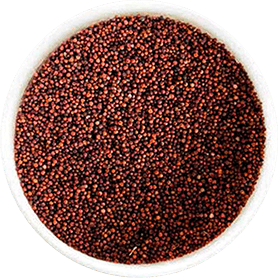
    1. Ragi (Finger Millet) – Rich in calcium, great for bone health.

    2. Jowar (Sorghum) – High in protein, good for weight loss.

    3. Bajra (Pearl Millet) – Rich in iron, helps prevent anemia.

    4. Foxtail Millet – Good for heart and immunity.

    5. Barnyard Millet – Low in calories, great for diabetes control.

    6. Little Millet – Easy to digest, suitable for children and elderly.


    🍲 Millets in Modern Diet

    Today, millets are no longer seen as “old-fashioned food.” From millet noodles, pasta, and cookies to millet-based energy bars and breakfast cereals, they are being reinvented for the modern lifestyle. Even five-star hotels and restaurants are experimenting with millet recipes, proving that healthy food can also be tasty and trendy.


    ✅ Conclusion

    Traditional Indian millets are more than just grains – they are a part of our culture, history, and health. Their comeback is not only a return to our roots but also a step towards a healthier and sustainable future. By choosing millets, we support our farmers, protect the environment, and nourish our bodies. Truly, the tiny grains of the past are the superfoods of the future.

  • Introduction of millets

    Introduction of millets

    Millets are one of the oldest food grains known to mankind, cultivated in India and other parts of the world for thousands of years. These small, hardy grains are often called “nutri-cereals” because of their high nutritional value. Unlike polished rice or refined wheat, millets are packed with dietary fiber, protein, iron, calcium, magnesium, and essential vitamins. They are also gluten-free, making them an excellent choice for people with gluten intolerance or wheat allergies.

    There are many varieties of millets, such as pearl millet (bajra), finger millet (ragi), foxtail millet, little millet, barnyard millet, and sorghum (jowar). Each of these has its own unique health benefits. For example, ragi is rich in calcium, which strengthens bones, while bajra is high in iron, which helps prevent anemia.

    Apart from their health benefits, millets are also known as climate-smart crops. They require very little water, can grow in poor soil conditions, and withstand harsh climates. Unlike rice and wheat, which need heavy irrigation, millets thrive in semi-arid regions, making them ideal for sustainable farming. At a time when the world is facing water scarcity and climate change, promoting millet cultivation can help farmers as well as the environment.

    Regular consumption of millets can improve digestion, control blood sugar levels, aid in weight management, and reduce the risk of lifestyle diseases such as diabetes and heart problems. This is why millets are now being called the “superfood of the future.” In fact, the United Nations declared 2023 as the International Year of Millets, recognizing their importance for global nutrition and food security.

    India has always been the home of millets, and today there is a growing movement to bring them back into our daily diet. From traditional foods like ragi mudde, bajra roti, and jowar bhakri to modern recipes like millet cookies, noodles, and breakfast cereals, these grains are finding their place on dining tables once again.

    In conclusion, millets are not just healthy for individuals but also beneficial for farmers and the planet. By including millets in our diet and supporting their cultivation, we can take a step towards a healthier lifestyle and a sustainable future.

  • 10 Reasons to Include Millets in Your Daily Diet

    10 Reasons to Include Millets in Your Daily Diet

    10 Reasons to Include Millets in Your Daily Diet

    Millets are small, nutrient-rich grains that have been a part of our traditional diet for centuries. Once forgotten, they are now making a big comeback as the world searches for healthier and eco-friendly food options. If you’re still wondering why millets deserve a place on your plate, here are 10 strong reasons to include them in your daily meals:

    1. Rich in Nutrients

    Millets are packed with protein, fiber, iron, calcium, magnesium, and essential vitamins. They provide balanced nutrition that keeps the body energized.

    2. Good for Digestion

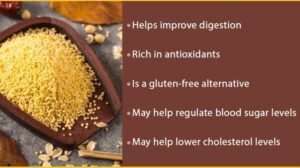
    High in dietary fiber, millets improve digestion, prevent constipation, and keep your gut healthy.

    3. Helps in Weight Management

    Because they are filling and digest slowly, millets reduce hunger pangs and help in controlling weight naturally.

    4. Controls Blood Sugar Levels

    Millets have a low glycemic index, which makes them an excellent choice for people with diabetes or those who want to manage blood sugar.

    5. Boosts Heart Health

    Rich in antioxidants and magnesium, millets reduce bad cholesterol and improve overall heart health.

    6. Gluten-Free Option

    For those with gluten intolerance or celiac disease, millets are a natural and safe alternative to wheat.

    7. Strengthens Bones

    Finger millet (ragi) is especially high in calcium, making it great for bone strength and preventing osteoporosis.

    8. Good for the Environment

    Millets require very little water, grow in dry regions, and don’t need chemical fertilizers, making them a sustainable crop.

    9. Supports Farmers

    By choosing millets, we support small far

    mers who grow these traditional crops, helping them earn better livelihoods.

    10. Versatile and Tasty

    From millet rotis, khichdi, and porridge to modern recipes like millet noodles, pancakes, and cookies – they can be cooked in many delicious

    🌾 Conclusion

    Millets may be tiny grains, but their health and environmental benefits are huge. By including them in your daily diet, you not only improve your health but also contribute to a sustainable future. So, start making small changes today – swap your rice or wheat meal once in a while with a millet dish and feel the difference!