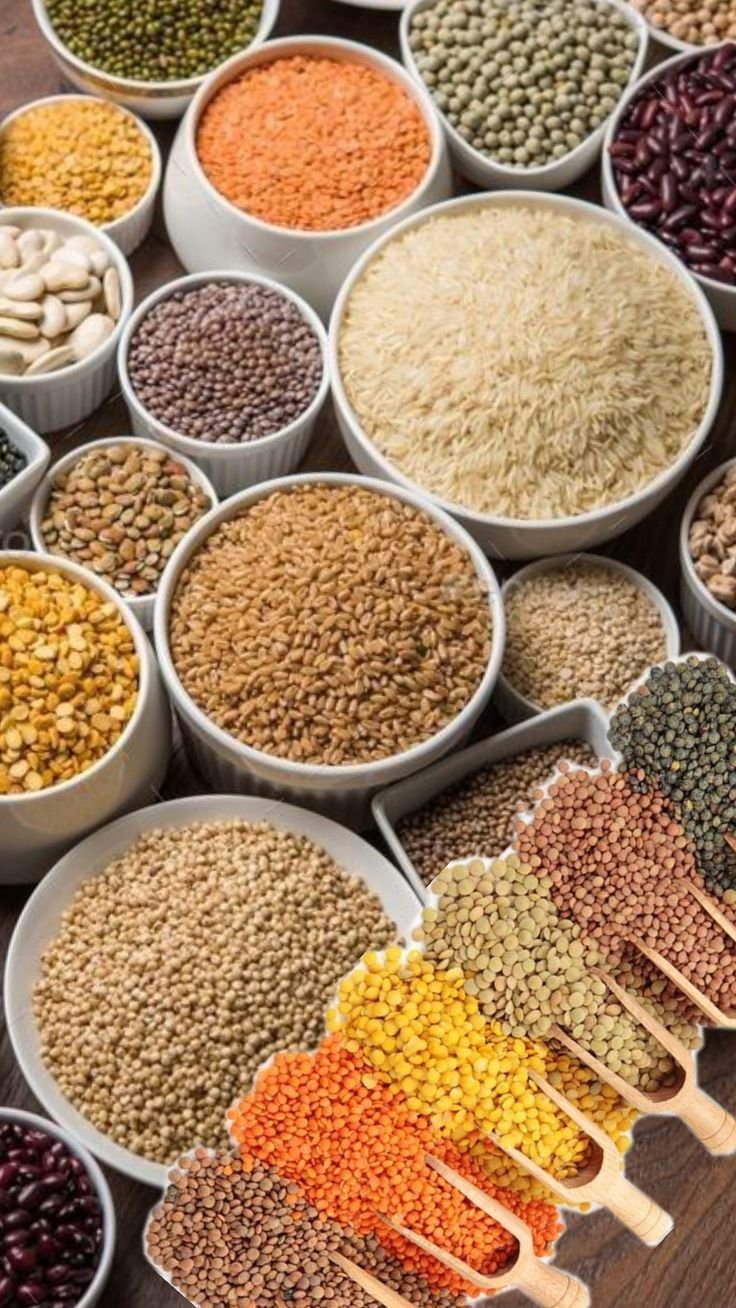
Traditional Indian Millets Making a Modern Comeback
For centuries, millets were a staple in Indian kitchens. From ragi mudde in Karnataka to bajra rotis in Rajasthan and jowar bhakris in Maharashtra, these humble grains were deeply rooted in our food culture. However, with the rise of polished rice and refined wheat, millets slowly lost their place on our plates. Today, the story is changing. As people are becoming more health-conscious and eco-aware, traditional Indian millets are making a strong modern comeback.
🌾 Why Millets Were Forgotten
During the Green Revolution, rice and wheat production increased rapidly. These grains became the main focus of government policies, while millets were seen as “poor man’s food.” Over time, urban lifestyles and processed foods pushed millets into the background.
🌱 The Comeback of Millets
In recent years, people have realized the hidden power of millets. They are rich in fiber, protein, calcium, and iron, and are naturally gluten-free. The rise in lifestyle diseases like obesity, diabetes, and heart problems has made people look for healthier alternatives – and millets are the perfect choice.
The United Nations declaring 2023 as the International Year of Millets further highlighted their importance on a global stage. India, being the largest producer of millets, has taken pride in reintroducing them through awareness campaigns, millet-based products, and even millet cafés in big cities.
🌟 Traditional Millets of 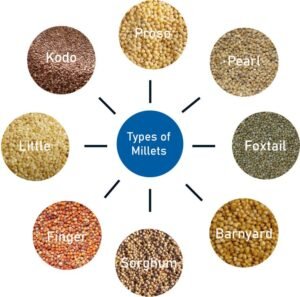 India
India
-
Ragi (Finger Millet) – Rich in calcium, great for bone health.
-
Jowar (Sorghum) – High in protein, good for weight loss.
-
Bajra (Pearl Millet) – Rich in iron, helps prevent anemia.
-
Foxtail Millet – Good for heart and immunity.
-
Barnyard Millet – Low in calories, great for diabetes control.
-
Little Millet – Easy to digest, suitable for children and elderly.
🍲 Millets in Modern Diet
Today, millets are no longer seen as “old-fashioned food.” From millet noodles, pasta, and cookies to millet-based energy bars and breakfast cereals, they are being reinvented for the modern lifestyle. Even five-star hotels and restaurants are experimenting with millet recipes, proving that healthy food can also be tasty and trendy.
✅ Conclusion
Traditional Indian millets are more than just grains – they are a part of our culture, history, and health. Their comeback is not only a return to our roots but also a step towards a healthier and sustainable future. By choosing millets, we support our farmers, protect the environment, and nourish our bodies. Truly, the tiny grains of the past are the superfoods of the future.
Leave a Reply